About
BLOG

Interested in a little light reading?

Our blog is continually updated with helpful educational information, advises, research and insights—all in the name of helping you level-up your color and appearance needs. Grab a drink and enjoy our stories!

Explore Our Stories
01-Best-Spectrophotometer-for-Measuring-Color.jpg

"用于测量透射颜色的最佳分光光度计"

Read More

Explore Our Products

VIEW MORE

01-Best-Spectrophotometer-for-Measuring-Color.jpg

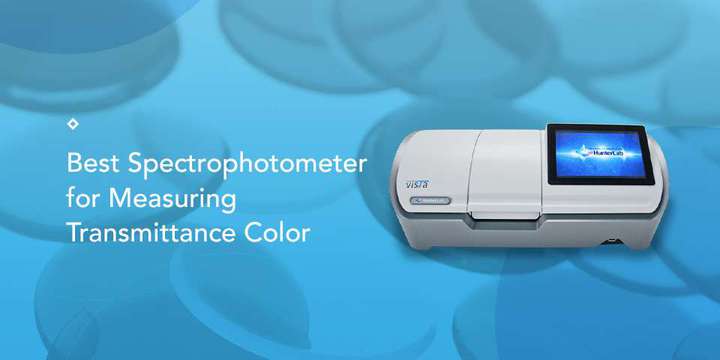
"Best Spectrophotometer for Measuring Transmittance Color"

Read More
01-What-Different-Types-of-Color-Spectrophotometer.jpg

"What Different Types of Color Spectrophotometers Are There?"

Read More
01-How-to-Operate-a-Spectrophotometer1.jpg

"How to Operate a Spectrophotometer"

Read More
01-How-to-Use-a-SpectrophotometerforSelecting.jpg

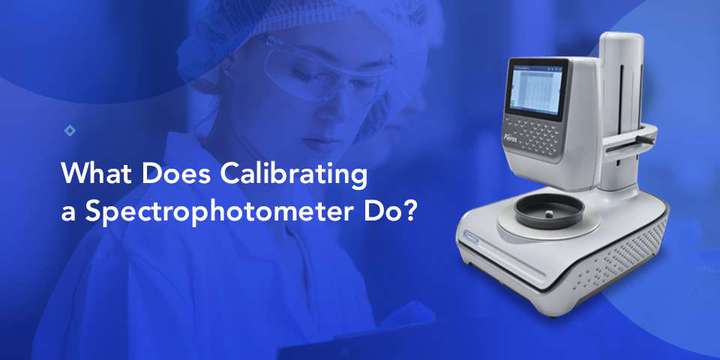
"What Does Calibrating a Spectrophotometer Do?"

Read More
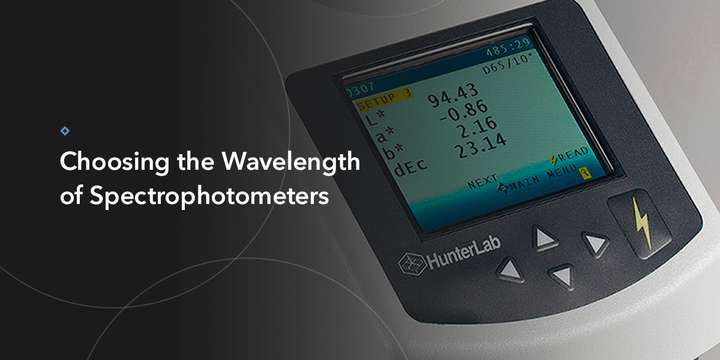
Choosing the Wavelength of Spectrophotometers

"Choosing the Wavelength of Spectrophotometers"

Read More
01-key-differences-between-spectrometers-and-sp.original.png

"Key Differences Between Spectrometers and Spectrophotometers"

Read More

用于测量透射颜色的最佳分光光度计

Posted on Jan 29, 2026 by HunterLab

每种材料都会吸收、反射或透射光线,这决定了我们观察物体时所见到的颜色。透射指的是穿过半透明或透明样品的光波,而分光光度计能对该数据进行定量测量。这些设备使我们能够科学客观地评估样品颜色,这对确保各类应用中的色彩一致性至关重要。 分光光度计的透射率测量功能,不仅能提升产品质量管控水平,更能增强消费者对产品的感知体验。

分光光度计中的透射率是什么?

透射率的定义是指通过样品的测量光量,即未被吸收或反射的光量。三项主要透射率测量包括:

  • 漫射透射率(Td, n): 该测量值为样品透射光通量与入射光通量的比值,其中透射光通量在除常规透射角外的所有前向角度下进行测量。当光线发生漫射透射时,其方向在穿过材料的过程中发生改变,从而引发散射现象。
  • 常规透射率(tr, n): 该测量值为未散射透射通量与入射通量的比值。换言之,即为直透光。
  • 总透射率(tt, n): 此测量值为所有前向角度透射光通量与入射光通量的比值。总透射率由常规透射率与漫射透射率之和构成。

这些数值对于维持饮料和食用油等产品的品质至关重要。使用分光光度计测量颜色最为理想,因为这类设备能提供关于样品透射光量的精确定量数据,从而获取更准确的信息。 

透射率计算公式为:

T = PT/P0

本公式中的数值代表:

  • T: 透射率
  • PT: 源在离开样品时的辐射功率
  • P0: 辐射源进入样品时的辐射功率

最终计算结果是一个比率,用于比较光线进入样品前与穿透样品后的强度。数值越接近1,表示透射光线越多;数值越低,则表示透射光线越少。 

分光光度计中的透射率百分比是什么?

透射率百分比以百分比形式显示通过样品的光量,而非由上述公式计算出的比率。您可通过将比率乘以100获得该数值。 

透光率为100%的样品呈透明状态,允许所有光线通过。数值越低表明材料的半透明程度越高。有效透光率测量要求至少30%的光线能穿透材料。

透射率百分比对吸光度计算也很有帮助。常用的吸光度计算公式为:

A = 2-log₁₀(%T)

该公式通过样品透光率来确定光的吸收量。 

Posted in Instruments And Software

Best Spectrophotometer for Measuring Transmittance Color

Posted on Jan 23, 2026 by HunterLab

Every material absorbs, reflects, or transmits light, which determines the color we see when looking at an object. Transmission refers to the light waves that pass through a translucent or transparent sample, and spectrophotometers provide quantitative measurements of that data. These devices make it possible to evaluate a sample's color scientifically and objectively, which is vital for ensuring color consistency in various applications. Spectrophotometer transmittance measurements enable better quality control and enhanced consumer perception of your products.

What Is Transmittance in a Spectrophotometer?

The definition of transmittance is the measured light that passes through a sample, meaning the light that is not absorbed or reflected. Three primary transmittance measurements include:

  • Diffuse transmittance (Td, n): This measurement is the ratio of the flux transmitted by a specimen to the incident flux, with the transmitted flux being measured at all forward angles except the regular transmission angle. When light is diffusely transmitted, its direction changes as it passes through the material, causing scattering.
  • Regular transmittance (tr, n): This measurement is the ratio of undiffused transmitted flux to incident flux. In other words, it is straight-through light.
  • Total transmittance (tt, n): This measurement is the ratio of the flux transmitted at all forward angles to the incident flux. Total transmittance is the sum of regular transmittance and diffuse transmission.

These values are essential to maintaining quality in products like beverages and edible oils. It's best to measure color with a spectrophotometer to capture more accurate information, as these devices provide exact quantitative data regarding the amount of light that passes through a sample. 

The transmittance formula is:

T = PT/P0

The values in this formula represent:

  • T: Transmittance
  • PT: The source's radiation power as it exits the sample
  • P0: The source's radiation power as it enters the sample

The resulting calculation is a ratio, comparing the light before it enters the sample to the light after it passes through it. A value closer to 1 means most light passes through, while lower values mean that less light passes through. 

What Is Percent Transmittance in a Spectrophotometer?

Percent transmittance displays the light that passes through the sample as a percentage rather than the ratio created by the above formula. You can get the value by multiplying the ratio by 100. 

A sample with 100% transmittance is transparent, allowing all light to pass through. Lower numbers indicate more translucence than transparency. At least 30% of the light must pass through the material for effective transmittance measurements.

The transmission percentage is also helpful for absorbance calculations. A commonly used absorbance formula is:

A = 2-log10(%T)

This formula determines the amount of light absorbed using the percentage of light that passes through the sample. 

Posted in Instruments And Software

What Different Types of Color Spectrophotometers Are There?

Posted on Jan 23, 2026 by HunterLab

作为分析样品颜色的理想解决方案,分光光度计已成为全球质量检测、科研及法医实验室不可或缺的设备。这些强大的仪器能捕捉基材特性的关键数据,助力实现精准量化或分类。 分光光度计内置光谱仪,通过传感器检测并测量波长,将能量分解为各组成部分。设备还包含光源组件,用于向样品发射能量。

分光光度计存在多种类型,每种都具备独特功能和理想应用场景,其中色谱分光光度计可确保色彩与外观质量的一致性。这类专业设备专为测量可见光谱范围内的色彩而设计——即人类肉眼可感知的光波长段约360至780纳米。 色彩分光光度计采用多种样式设计,通过不同光学配置提供精准的色彩与光谱数据。

分光光度计的用途是什么?

在任何需要依据数值量化色彩以确保质量和产品外观的应用中,分光光度计都具有不可替代的价值。常见的分光光度计应用领域与行业包括以下方面:

食品饮料制造

外观是购买决策中的重要质量指标,分光光度计帮助食品制造商确保产品色泽符合消费者预期,从而吸引购买。色彩还能体现食品的安全适口性,并影响消费者对风味、新鲜度和营养价值的感知。 食品制造商依赖分光光度计对从零食到乳制品、果蔬及食用油等各类产品的色度数据进行量化分析。

颜色在饮料生产中同样发挥着关键作用,它有助于根据行业标准确立咖啡的商业品质以及瓶装水的澄澈度。

塑料制造

随着行业法规的演变,塑料制造商面临着独特的色彩挑战。 原生塑料生产过程中自然产生的黄变现象,需要借助荧光增白剂来克服。随着政府对消费后再生料含量要求的不断提高,如何找到理想配比以持续实现目标色泽,已成为多数企业的持续难题。分光光度计助力塑料行业企业精准识别并维持质量、合规性与外观所需的最佳平衡点。

化学加工

化工行业中的样品涵盖不透明粉末至半透明或透明液体,其中部分样品价值昂贵。精确的化学混合对安全至关重要。分光光度计通过帮助识别物理特性并确保严格的公差范围,使该行业专业人员能够保障质量与安全。

其他行业

其他依赖分光光度计采集色度和光谱数据的行业包括:

  • 生物制药
  • 建材产品
  • 涂料与涂层
  • 纺织品
  • 纸制品

Posted in Instruments And Software

How to Operate a Spectrophotometer

Posted on Jan 23, 2026 by HunterLab

分光光度法解决方案为众多行业简化了色彩数据量化的科学流程。采用分光光度计的制造商能获得更高产品品质与一致性,从而提升客户满意度。精准量化色彩与外观的关键,在于掌握分光光度计的正确使用方法并实施标准化流程。

1. 打开设备并让其预热

使用分光光度计前的第一步是开启设备并预热,以确保其正常运作。预热时间因型号和制造商而异,通常需等待30分钟。为保障检测结果的准确性,请查阅用户手册确认具体预热时长。

Posted in Instruments And Software

What Does Calibrating a Spectrophotometer Do?

Posted on Jan 23, 2026 by HunterLab

分光光度计是客观、科学地量化产品色彩数据的强大解决方案。这些设备通过采集测量数据并与已知色标或色索进行比对,确保商品色彩符合可接受的公差范围,从而提升产品质量。校准是保障设备持续提供精准、准确色彩测量结果的关键因素。

什么是分光光度计校准?

分光光度计的校准是调整设备对特定波长光敏感度的过程。这种精密调整有助于验证仪器能否如预期般测量波长并准确量化颜色。它与标准化存在显著差异——后者是由终端用户在其设施中执行的流程。

Posted in Instruments And Software

Choosing the Wavelength of Spectrophotometers

Posted on Jan 23, 2026 by HunterLab

现代技术已显著改变了分光光度计的性能表现,相较于数十年前的早期型号。这些设备已成为全球范围内广泛行业领域中研发与生产的关键工具。由于不同类型的分光光度计承担着各异的功能,选择合适的设备并为每台仪器设定最佳参数,对于获得最理想的测试结果至关重要。

Posted in Instruments And Software

Key Differences Between Spectrometers and Spectrophotometers

Posted on Jan 22, 2026 by HunterLab

“光谱仪”是测量电磁辐射与物质相互作用的仪器总称。分光光度计作为光谱仪的特定类型,专用于测量样品在代表典型人眼视觉范围的波长区间内反射或透射的光量。这两类仪器在众多行业中都是至关重要的质量保证设备,但各自具有独特的用途和理想应用场景。深入了解它们的特性与差异,将有助于您确定哪种选择最能满足您独特的业务需求。

什么是光谱仪?

该设备可量化样品中特定波长范围内的电磁辐射。

现代光谱仪类型包括以下几种:

  • 核磁共振(NMR)光谱仪,可协助生物化学家评估有机分子的性质
  • 光学光谱仪通过测量不同波长下光的强度来分析样品的光学特性。
  • 质谱仪通过分析样品的分子质量来帮助确定其分子组成。

光谱仪的优势

光谱仪的优势包括:

  • 灵敏度: 这些先进解决方案能够检测多种元素和化合物的微量成分,以及样品中的细微变化。
  • 多功能性: 光谱仪能够对液体、固体和气体的光谱进行定量分析。
  • 宽光谱范围:光学光谱仪能够测量并量化可见光谱之外的波长,例如紫外线和红外线。

光谱仪的理想应用

这些解决方案在许多行业和应用中至关重要,例如:

  • 生命科学
  • 刑事法医学
  • 材料表征
  • 污染监测
  • 太空探索
  • 水质
  • 农业分析

Posted in Instruments And Software
Prev
1
2
3
Next

Most Related Posts

  • Best Spectrophotometer for Measuring Transmittance Color
  • Best Spectrophotometer for Measuring Transmittance Color
  • What Different Types of Color Spectrophotometers Are There?
  • How to Operate a Spectrophotometer
  • What Does Calibrating a Spectrophotometer Do?
  • Choosing the Wavelength of Spectrophotometers
  • Key Differences Between Spectrometers and Spectrophotometers
View More Related Posts

Follow us on social

  • LinkedInFollow us on LinkedIn
  • YouTubeFollow us on YouTube
  • facebookFollow us on Facebook
  • XFollow us on X (formerly Twitter)
  • instagramFollow us on Instagram