About
BLOG

Interested in a little light reading?

Our blog is continually updated with helpful educational information, advises, research and insights—all in the name of helping you level-up your color and appearance needs. Grab a drink and enjoy our stories!

Explore Our Stories
GettyImages-1207988.jpg

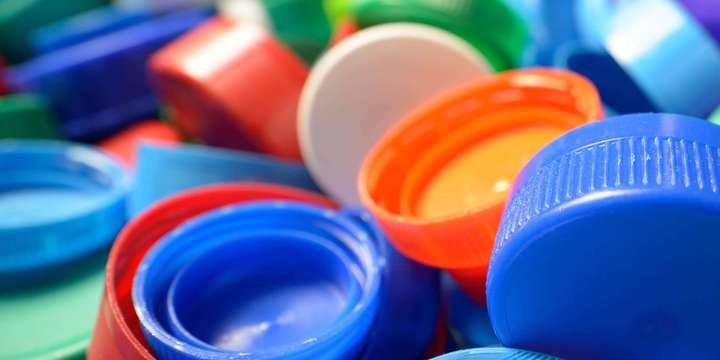
"测量塑料瓶颜色的最佳方法是什么?"

Read More

Explore Our Products

VIEW MORE

01-Guide-to-Overcoming-Color-Challenges-in-Plas-new.jpg

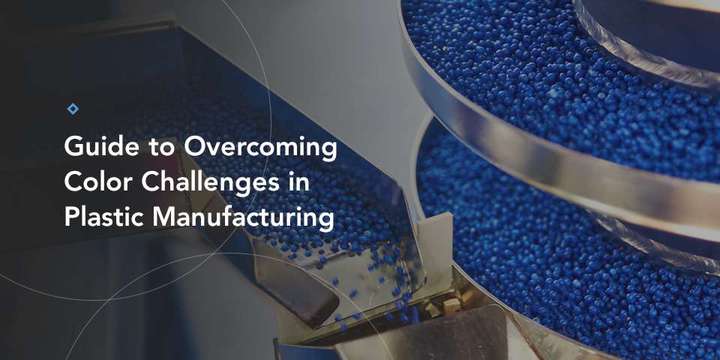
"克服塑料制造中颜色挑战的指南"

Read More
01-Guide-to-Overcoming-Color-Challenges-in-Plas-new.jpg

"Guide to Overcoming Color Challenges in Plastic Manufacturing"

Read More
vinyly-sliding

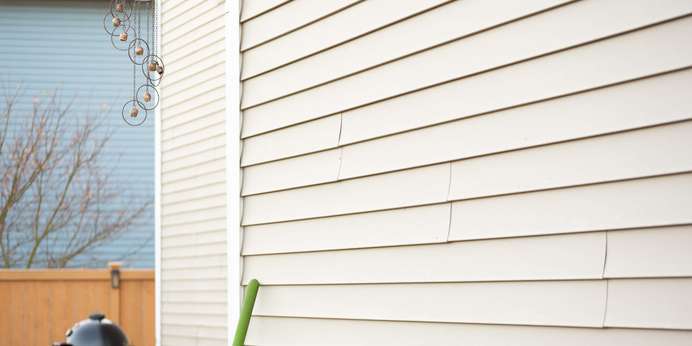
"Things to Know About Measuring the Color of Vinyl Siding"

Read More
01-WhatStandardDoIUsetoVerifyYellowness.jpg

"What Standard Do I Use to Verify Yellowness Index Performance?"

Read More
Colorful plastic bottles without lids

"Best Practices for Measuring the Color of Plastic Bottles"

Read More
01-The-Top-5-Things-You-Need-to-Know-About-Meas

"The Top 6 Things You Need to Know About Measuring the Color of Plastic Bottles"

Read More

测量塑料瓶颜色的最佳方法是什么?

Posted on Jan 29, 2026 by HunterLab

塑料瓶在液体包装中的应用最早流行于20世纪50至60年代。如今,塑料因其成本效益、耐用性和可回收性,已成为多数大型企业首选的瓶体材料。在整个瓶体制造过程中,加工商必须保持精准的着色效果。 任何进入销售市场的产品都应保持统一性与一致性,从标签到包装皆是如此。这种精确度要求专业工具的支撑——而HunterLab正是这类工具的提供者。

分光光度计的力量 

当需要测量塑料瓶的颜色时,分光光度计能提供最客观精确的结果。该仪器通过测量光线在瓶体表面的反射情况,并依据这些数据生成符合主流色彩指数体系的数值。 

分光光度计使任何品牌都能轻松优化其着色流程,提升产品一致性。其应用可转化为以下主要优势:

  • 品牌标识:塑料瓶几乎可以生产成任何颜色,因此许多品牌采用独特的色素组合来制造瓶身,以此实现差异化。通过保持瓶身颜色的统一性,品牌能够建立专属视觉形象,消费者将逐渐形成认知——甚至在看到标签之前就能识别。

  • 消费者满意度:产品或包装的任何改动——包括显著的色彩变化——都可能让忠实消费者察觉产品发生了某种改变。保持色彩的一致性,能让消费者安心,确保他们继续选择您的品牌而非转向竞争对手。 

Posted in Plastic

克服塑料制造中颜色挑战的指南

Posted on Jan 29, 2026 by HunterLab

自1950年代以来,塑料制造业呈现显著增长,其规模已超越任何其他材料。如今,塑料的应用领域遍及汽车制造、商品包装乃至食品饮料生产。塑料颜色始终是消费者评判产品品质与吸引力的核心依据,且这一趋势将持续下去。然而,准确量化塑料颜色却面临着独特的挑战。

塑料颜色测量的常见挑战

典型的塑料颜色测量挑战包括以下方面。

自然黄变

在加工过程中,原生塑料树脂会因氧化作用而自然发黄。 随着时间推移或紫外线照射,黄变现象可能加剧。为获得透明或近乎透明的成品,制造商必须添加在可见光谱蓝光波段产生荧光的光亮剂以抵消黄变。这意味着几乎所有塑料制品都含有一定比例的光亮剂。因此,这些材料本身具有荧光特性,使得实现理想的透明度和视觉色调品质变得更为复杂。

监管压力

全球各国政府机构正不断出台更严格的法规,规定新塑料生产中必须使用的消费后再生塑料比例,以优先发展循环经济。再生塑料用量的增加导致原料中荧光增白剂及其他添加剂的含量相应上升,制造商必须对此进行调整。

这些挑战使得精确的色彩测量更为关键,因为输入端的任何细微变化都可能对结果产生重大影响。

ESG倡议

除了政府采取的行动外,现代塑料制造商也面临着来自利益相关方的类似压力。消费者、员工和投资者都日益呼吁采取更可持续的实践方式,并要求在环境影响方面提高透明度。

为应对这些压力,许多企业实施环境、社会和治理(ESG)举措,助力实现更循环经济的六大原则。这些支柱包括:减少废弃物、最大化资源利用、节约能源以及降低碳足迹。

如何解决塑料中的色彩测量难题

幸运的是,您可以采取以下几个步骤来解决塑料生产中的色彩测量难题。

Posted in Plastic

Guide to Overcoming Color Challenges in Plastic Manufacturing

Posted on Jan 23, 2026 by HunterLab

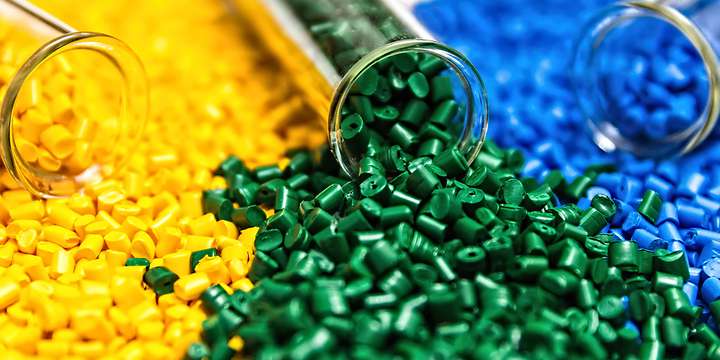
Plastic manufacturing has grown significantly since the 1950s, surpassing that of any other material. Today, plastics see use in markets ranging from automotive to goods packaging to food and beverage production. Plastic color is and will continue to be pivotal as the primary determinant by which consumers judge product quality and desirability, yet accurately quantifying it comes with unique challenges.

Common Challenges in Plastic Color Measurement

Typical plastic color measurement challenges include the following.

Natural Yellowing

Virgin plastic resins naturally yellow during processing as a result of oxidation. Additional yellowing can occur with age or exposure to ultraviolet rays. To achieve clear or almost clear end products, manufacturers must add optical brighteners that fluoresce on the blue side of the visible spectrum to negate the yellowness. That translates into almost all plastic goods containing at least some percentage of optical brighteners. As a result, these materials inherently fluoresce and introduce more complexity to achieving the desired clarity and visual chromatic qualities.

Regulatory Pressures

Government entities worldwide are passing ever-stricter regulations on the percentage of post-consumer recycled plastic that must be used in new plastic production to prioritize a more circular economy. An increase in the amount of recycled plastic used causes a corresponding rise in the amount of optical brighteners and other additives in feedstock that manufacturers must adjust for.

These challenges make accurate color measurements even more pivotal since one variation in the input can substantially impact the outcomes.

ESG Initiatives

In addition to governmental action, modern plastics manufacturers are feeling similar pressures from their stakeholders. Consumers, employees, and investors alike increasingly call for more sustainable practices and transparency in environmental impact.

To account for these pressures, many companies enact Environmental, Social, and Governance (ESG) initiatives that help achieve the six principles of a more circular economy. These pillars include minimizing waste, maximizing resources, saving energy, and reducing carbon footprint.

How to Resolve Color Measurement Challenges in Plastics

Fortunately, there are several steps you can take to resolve color measurement challenges with plastics production.

Posted in Plastic

Things to Know About Measuring the Color of Vinyl Siding

Posted on Jan 23, 2026 by HunterLab

在竞争激烈的建材行业,品质与美观的一致性至关重要。对于乙烯基壁板制造商而言,确保不同生产批次间颜色的一致性,是赢得客户满意度和维护品牌声誉的关键所在。 

在HunterLab,我们提供尖端的分光光度计、先进的质量控制软件和专业技术,助您在整个乙烯基壁板生产过程中保持色彩一致性。

理解测量乙烯基壁板颜色的挑战 

即使细微的色差也可能导致产品被拒收、退货及收入损失。仅凭肉眼评估乙烯基壁板无法获得准确且可重复的结果,可能导致壁板拼接不协调。

与其他材料相比,测量乙烯基壁板的颜色存在独特挑战。其中包括:

  • 纹理变化:乙烯基壁板通常具有纹理表面,这会影响光线交互。HunterLab的分光光度计具备先进功能,可补偿表面纹理变化,确保无论壁板纹理如何,都能获得精确读数。
  • 大尺寸面板: 较大尺寸的面板会放大制造过程中的任何差异,从原材料差异到颜料分布,乃至储存期间发生的改变。分光光度计能在每个阶段精确量化颜色,从而确保结果的一致性和精准度。

Posted in Plastic

What Standard Do I Use to Verify Yellowness Index Performance?

Posted on Jan 23, 2026 by HunterLab

美国材料与试验协会(ASTM International)制定的黄度指数为评估白色或浅色材料(如塑料)的黄度提供了可量化的标准。该标准可确定材料的黄度程度,使企业能够实施质量控制流程以保持产品一致性。测试采用分光光度计对颜色进行量化测量。

APHA比色系统是测量液体黄度最常用的量度标准,服务于从化工生产到制药研发的多个行业领域。

需要观察黄度的材料

由于加工过程中材料的特性变化,各类塑料均需进行黄变观察。这些塑料包括:

  • 聚氯乙烯(PVC)
  • 聚碳酸酯(PC)
  • 精制对苯二甲酸(PTA)
  • 聚对苯二甲酸乙二醇酯(PET)

PET材料因氧化作用而呈现黄变现象。随着再生PET(rPET)使用量的增加,制造商必须进行色度测量以应对黄变问题,并确定所需荧光增白剂的正确比例以减轻黄变程度。

什么是黄度指数?

黄度指数(YI)用于衡量因产品变化导致的黄度。ASTM E313黄度指数是测定塑料等材料黄度最常用的方法。该标准规定了衡量偏离理想白色的偏移量所对应的特定指数。其计算方式如下公式所示:

YI = (100CxX - CzzZ)/Y

X、Y、Z变量是CIE三刺激值,用于表达颜色及其感知特性。 Cx和Cz取决于光源和观察者。计算过程中,用户需根据分光光度计设置从表格中选择对应系数值。ASTM E313标准将这些计算结果整合为单一数值,用于定义样品的黄度值。数值越低,材料的黄色调越弱。

YI值通常表示为产品样本与原始样本或参照样本之间的黄度差异,记为ΔYI(黄度差)。

Posted in Plastic

Best Practices for Measuring the Color of Plastic Bottles

Posted on Jan 23, 2026 by HunterLab

在HunterLab,我们历经七十余载深耕色彩测量领域,持续研究产品色彩如何影响消费者偏好。我们深刻认识到,色彩在产品营销的每个环节都至关重要——从产品本体到所有包装设计皆然。我们研发的解决方案助力制造商精准测量各类产品的色彩,包括塑料瓶在内。 

什么影响塑料的颜色?

塑料以其多功能性而闻名。这种材料几乎可以任意塑形和着色——且颜色会融入塑料本身,因此固化后几乎不会褪色或变色。然而,某些因素仍可能改变塑料瓶在商店中的外观,例如:

  • 光: 色彩测量的核心在于评估光线与物体如何相互作用,从而产生我们所感知到的颜色。不同类型的光线会使同一个物体上的颜色在人眼中呈现出不同的视觉效果。
  • 不透明度:正如塑料可制成任意颜色,其不透明度亦可呈现多样化。从完全不透明到清澈透明,不同程度的半透明特性将改变人们对瓶身颜色的感知效果。
  • 光泽度: 光泽度是衡量物体反射率的指标,大致指物体的亮泽程度。塑料件的光泽度越高,其反射性越强,从而影响底层颜色的视觉呈现效果。

Posted in Plastic

The Top 6 Things You Need to Know About Measuring the Color of Plastic Bottles

Posted on Jan 23, 2026 by HunterLab

塑料瓶是众多产品的标准包装,从果汁、汽水、调味品到洗衣液皆然。这意味着您的产品需要脱颖而出。色彩在塑造品牌差异化、提升产品吸引力方面至关重要,尤其当色彩保持一致时。以下是您需要了解的塑料瓶色彩测量要点。

1. 统一的色彩能建立消费者信任

视觉是我们购物时首先启用的感官之一。色彩在潜在买家的决策过程中至关重要,即便他们自己并未意识到。当你走进商店时,会寻找那些令你感到熟悉的商品。你的顾客亦是如此。通过打造并推广色彩与包装风格统一的产品,你向所有人传递着这样的信号:你始终关注着产品从生产到销售的全过程——从外观呈现到视觉效果,确保每批次产品都保持一致的品质。

2. 塑料瓶的颜色是品牌形象的重要组成部分

当你创造出与众不同的专属色彩配方时,塑料瓶便能成为品牌标识。随着时间推移,忠实顾客会逐渐将这种色彩与品牌名称产生联想。若颜色发生改变,许多人会怀疑瓶中内容物是否也随之改变。

Posted in Plastic
Prev
1
2
3
…
Next

Most Related Posts

  • What Is the Best Way to Measure the Color of Plastic Bottles?
  • Guide to Overcoming Color Challenges in Plastic Manufacturing
  • Guide to Overcoming Color Challenges in Plastic Manufacturing
  • Things to Know About Measuring the Color of Vinyl Siding
  • What Standard Do I Use to Verify Yellowness Index Performance?
  • Best Practices for Measuring the Color of Plastic Bottles
  • The Top 6 Things You Need to Know About Measuring the Color of Plastic Bottles
View More Related Posts

Follow us on social

  • LinkedInFollow us on LinkedIn
  • YouTubeFollow us on YouTube
  • facebookFollow us on Facebook
  • XFollow us on X (formerly Twitter)
  • instagramFollow us on Instagram