About
BLOG

Interested in a little light reading?

Our blog is continually updated with helpful educational information, advises, research and insights—all in the name of helping you level-up your color and appearance needs. Grab a drink and enjoy our stories!

Explore Our Stories
14-07-24b-ppt-directional-45-0-or-0-45-geometry-instruments.jpg

"您有 CIE 反演仪器几何等效性的参考吗?"

Read More

Explore Our Products

VIEW MORE

01-Food-Coloring-Regulations-and-Standards.png

"食用色素法规和标准"

Read More
1-Luminance-vs.-Illuminance-Whats-the-Difference.jpg

"亮度与照度:有什么区别?"

Read More
katrin-hauf-zRhOoZz86JQ-unsplash-1536x1024.jpg

"紫色——历史、意义和事实"

Read More
catrin-johnson-ym96FAhQ8o4-unsplash-min-1536x1536.jpg

"黄色——历史、意义和事实"

Read More
1-Luminance-vs.-Illuminance-Whats-the-Difference.jpg

"Luminance vs. Illuminance: What’s the Difference?"

Read More
01-Food-Coloring-Regulations-and-Standards.png

"Food Coloring Regulations and Standards"

Read More

您有 CIE 反演仪器几何等效性的参考吗?

Posted on Jan 29, 2026 by HunterLab

常见问题解答:“……测量原理的示意图显示的光路(光源→样品→球体→探测器)与我们的Vista系统(光源→球体→样品→探测器)不同。能否请您解释两种结构的差异?以及两者测量结果的区别?”

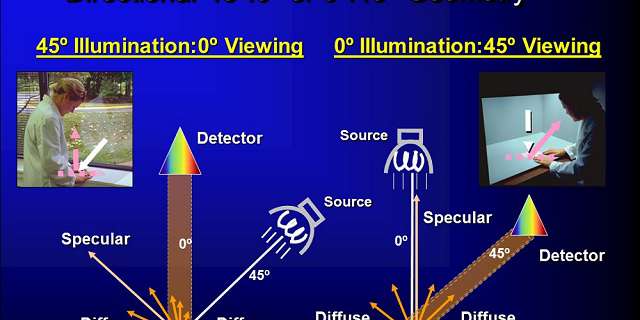
这描述了反射率测量仪器中逆几何等效性的概念,其中光源 -> 球体 -> 样品 ->  探测器组成的CIE漫反射d:8几何结构,与光源→样品→球体→探测器的8:d几何结构具有等效性。该概念同样适用于CIE定向45:0和0:45几何结构。

左侧采用定向45:0几何结构的仪器,符合技术人员在窗口的观察条件;而右侧0:45几何结构的仪器,则相当于技术人员在灯箱中观察样本时的视角。

当你观察样品颜色时,你所感知到的颜色取决于观察时的几何条件——白光光源的位置、你的站立位置以及样品所在的位置。

要测量人眼所见的颜色,仪器几何结构必须与观察样品的方式相匹配。CIE仪器几何结构是对光源、样品平面和探测器之间相对位置的正式定义。

主要分为两类,每类包含两种等效几何结构——漫反射型d:8(最常见)与8:d,以及定向型45:0(最常见)与0:45。

Posted in Color And Appearance Theory

食用色素法规和标准

Posted on Jan 29, 2026 by HunterLab

在过去的100年里,食品中使用的色素用量急剧增加。这种转变部分源于制造商日益注重提升食品外观吸引力、延长保质期并尽可能吸引更多消费者。 美国食品和药物管理局(FDA)对人工食品染料的审批实施严格监管,并规定食品生产商在产品中使用这些染料的具体标准。深入了解FDA制定的食品着色标准,包括企业可采用哪些技术手段确保合规运营。

什么是食用色素?

食用色素和食品染料是用于改变或增强食品外观的化学物质。三种着色剂占所有使用食品染料的90%——即红色40号、黄色5号和黄色6号。

使用色素或染料并非新技术。早在公元前300年,人们就已用天然食用色素给葡萄酒着色。早期染料实验包括利用某些香料和金属氧化物(如藏红花和硫酸铜)中天然存在的色素。

第一种合成有机染料——名为紫罗兰色——于1856年被发现。紫罗兰色是通过煤加工制成的众多合成染料中的首创,因而被冠以"煤焦油色"之名。联邦政府对色素添加剂的监管始于数十年后的1880年代。

食用色素由什么制成?

人工食用色素源自石油。食用色素可分为三类:

  • 纯色:纯色指基本不含杂质,且未与其他物质混合或经化学处理的颜色。
  • 湖泊:湖泊是直色与明矾、二氧化钛、氧化锌等物质的沉淀剂或基质发生化学反应后的产物。
  • 混合物:混合物是通过将一种着色剂与另一种着色剂或无色稀释剂混合而制成,该过程不会产生化学反应。

Posted in Color And Appearance Theory

亮度与照度:有什么区别?

Posted on Jan 29, 2026 by HunterLab

谈到色彩呈现时,光照的重要性不容小觑。然而光照领域常令人困惑,许多术语听似相近却含义迥异。例如两个最常用的术语——亮度与照度——就极易被误解混淆。鉴于光照是色彩表现的核心要素,下文将重点解析亮度与照度的区别。

什么是亮度?

亮度的定义是指从表面发射、穿透或反射的光量。想象一盏灯在黑暗房间中发光——亮度描述的是穿透灯泡的光量。

光度的含义常与亮度一词混用。然而在光度与亮度的对比中,这两者并非可互换的概念。光度是可量化、可测量的物理特性,而亮度无法客观测量——它仅能被感知。我们通过视觉感知光源的明暗差异,从而意识到光度差异,亮度正是这种视觉感知体验。

我们测量亮度值时会考虑人眼对不同波长光线的敏感度差异,从而得出与人类对亮度感知相匹配的测量结果。

在企业色彩决策中,亮度值还能描述特定颜色的视觉明暗程度。电子行业常采用亮度测量技术,例如在显示屏和数字标牌等显示设备的设计领域。汽车行业同样运用亮度参数来保障照明系统与道路安全。通常,凡是为保障人类视觉舒适度与安全性而设计的产品,其亮度测量值都必须符合相关规范参数。

Posted in Color And Appearance Theory

紫色——历史、意义和事实

Posted on Jan 29, 2026 by HunterLab

紫色是一种象征奢华与财富的尊贵色彩,同时蕴含着激发好奇心的神秘特质。深入探索紫色的相关知识、象征意义与历史渊源。

关于紫色的事实

以下是关于紫色的几个事实:

  • “紫色”一词源于拉丁语“purpura”、古英语“purpul”以及希腊语“porphura”。
  • 在美国,紫心勋章是授予服役人员最高勇气的荣誉。
  • 威廉·亨利·珀金在一次失败的化学实验中意外发明了紫罗兰色——这也是世界上第一种合成染料。
  • 音乐人王子常穿紫色服装,因此潘通公司为纪念他推出了一款紫色调。

紫色的历史

约三千年前,古腓尼基人发现了制作浓郁紫色染料的方法,这种颜色会随着时间推移愈发鲜艳。紫色服饰仅供上层阶级专属穿着,天主教会委任的艺术家们也以紫色描绘耶稣与圣母玛利亚。这种排他性使紫色在平民阶层中极为罕见,直至启蒙时代才有所改变。当时教会与国家等级制度的象征意义已不那么受重视,合成颜料的出现也让紫色变得更为普及。

紫色是王室的专属色吗?

紫色作为皇室专属色彩的起源可追溯至古代君主制时期。这种颜料制作困难,因而价格昂贵,仅为上层社会所能拥有。统治者身着紫袍,用紫色墨水签署诏令。某些罗马皇帝甚至以身着紫色服饰为由处以死刑。随着拜占庭帝国于15世纪覆灭,皇室对紫色的使用逐渐减少。

Posted in Color And Appearance Theory

黄色——历史、意义和事实

Posted on Jan 29, 2026 by HunterLab

黄色是一种明亮欢快的色彩,能唤起幸福与积极的情感。这种颜色在古代艺术中被广泛运用,并在许多宗教中被视为神圣之色。让我们来探索黄色的历史渊源与象征意义。

关于黄色的事实

以下是关于黄色的一些事实:

  • 出租车和校车之所以是黄色的,是因为这种颜色具有很高的可见度。
  • 黄色在中国被视为吉祥之色。
  • “黄色”一词源于古英语中表示黄色的词汇“geolu”。
  • 黄尾鱼是一种特定的鱼类,其尾部或身体呈黄色。

黄色的历史

黄色是历史上最古老的颜色之一,早在17000多年前的洞穴壁画中便已出现。在史前时期,黄土中的黄色颜料易于获取,成为洞穴艺术最早使用的颜料之一。黄色也是古罗马和古埃及绘画中的常见色彩,当时人们用它来描绘肤色。

文艺复兴时期和中世纪的艺术家使用"印度黄"——一种通过让牛只食用芒果叶获得的颜料。这种颜色常被用来表现人物的异类身份,尤其在《圣经》中描绘犹大·伊斯卡里奥特时。

黄色代表什么含义?

在古代宗教中,黄色被视为神圣之色。如同黄金,黄色象征着永恒、不朽与坚不可摧。许多宗教崇拜太阳,太阳神常被描绘为身着黄色。古埃及人相信神明拥有黄金般的肌肤与骨骼,在艺术创作中以黄色表现其肤色。黄色在佛教中同样具有重要意义,象征着谦卑。

Posted in Color And Appearance Theory

Luminance vs. Illuminance: What’s the Difference?

Posted on Jan 23, 2026 by HunterLab

When it comes to the appearance of color, you cannot underestimate the importance of lighting. Yet, lighting can be confusing, as much of the terminology sounds similar but has vastly different meanings. For example, two of the most widely used terms — luminance and illuminance — can be easily misunderstood and mixed up. Since lighting is an essential component of color, we’ll discuss luminance vs. illuminance below.

What Is Luminance?

The definition of luminance is the amount of light emitted, passing through, or reflected from a surface. Think of a lamp shining in a dark room — luminance would describe the amount of light passing through the lightbulb.

The meaning of luminance is often used interchangeably with the term brightness. However, when it comes to luminance vs. brightness, these descriptions are not interchangeable. Luminance is a quantifiable, measurable characteristic. Meanwhile, brightness cannot be objectively measured — it can only be perceived. We recognize that a light source is bright or dim, making brightness the visual sensation by which we become aware of differences in luminance.

We measure the luminance to account for the human eye's sensitivity to different wavelengths of light. We can then provide a measurement that correlates with human perception of brightness.

When it comes to color decisions for your business, luminance can also describe a certain color’s perceived brightness. Fields that often use luminance measurements include electronics sectors responsible for designing display technology such as screens and digital signage. The automotive industry also uses it for lighting and road safety purposes. Generally, products that need to be created for the comfort and safety of human vision will ensure luminance measurements are within the necessary guideline parameters.

Posted in Color And Appearance Theory

Food Coloring Regulations and Standards

Posted on Jan 23, 2026 by HunterLab

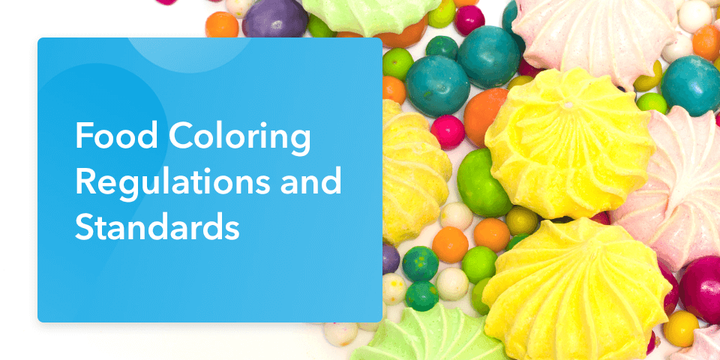
In the past 100 years, the amount of food coloring used in food has increased drastically. This shift is due in part to manufacturers’ growing emphasis on making food look more appealing, last longer and attract as many consumers as possible. The U.S. Food and Drug Administration (FDA) imposes strict regulations and standards for the approval of artificial food dyes and how food producers and manufacturers are permitted to use those dyes in their products. Learn more about food color standards established by the FDA, including what technology your business can use to operate within regulation.

What Is Food Coloring?

Food coloring and food dyes are chemical substances used to alter or enhance the appearance of a food product. Three color additives make up 90% of all used food dye — Red 40, Yellow 5 and Yellow 6.

Using color additives or dyes is not a new technology. Natural food colors were used to color wine as early as 300 B.C. Early dye experimentation included naturally occurring color found in some spices and metal oxides, like saffron and copper sulfate.

The first synthetic organic dye — called mauve — was discovered in 1856. Mauve was the first of many discovered synthetic dyes produced via coal processing, earning them the title “coal-tar colors.” Federal regulation of color additives began a few decades later, in the 1880s.

What Is Food Coloring Made Of?

Artificial food coloring is derived from petroleum. There are three possible classifications for a food dye:

  • Straight colors: Straight colors are free from most impurities and have not been mixed or chemically altered with other substances.
  • Lakes: Lakes are the product of a chemical reaction that takes place after combining a straight color with precipitants or substrata of things like alumina, titanium dioxide and zinc.
  • Mixtures: Mixtures are made by combining a color additive with another color additive or a non-colored diluent, which produces no chemical reaction.

Posted in Color And Appearance Theory
Prev
1
2
3
…
Next

Most Related Posts

  • Do you have references for the equivalency of CIE inverse instrument geometries?
  • Food Coloring Regulations and Standards
  • Luminance vs. Illuminance: What’s the Difference?
  • The Color Purple — History, Meaning and Facts
  • The Color Yellow — History, Meaning and Facts
  • Luminance vs. Illuminance: What’s the Difference?
  • Food Coloring Regulations and Standards
View More Related Posts

Follow us on social

  • LinkedInFollow us on LinkedIn
  • YouTubeFollow us on YouTube
  • facebookFollow us on Facebook
  • XFollow us on X (formerly Twitter)
  • instagramFollow us on Instagram